


1. About the host country — Albania
Albania, located in Southeast Europe on the western side of the Balkan Peninsula, is a country distinguished by its rich history, cultural heritage, natural beauty, and renowned hospitality. Situated along the Adriatic and Ionian Seas, Albania offers a unique combination of Mediterranean landscapes, historic cities, mountain regions, and a rapidly developing urban environment.
The country's natural landscape is remarkably diverse. Visitors can experience the beaches of the Albanian Riviera, the dramatic peaks of the Albanian Alps, the lakes of Shkodër, Ohrid, and Prespa, as well as numerous rivers, forests, national parks, and protected natural areas. This diversity makes Albania an attractive destination for outdoor activities, cultural tourism, and international sporting events.
Albania has a history extending over thousands of years, reflected in its archaeological sites, castles, traditional towns, museums, and UNESCO World Heritage properties. The country's cultural identity combines ancient Illyrian heritage, Mediterranean influences, Ottoman-era architecture, and contemporary European culture.
Albania has undergone significant political, social, and economic transformation since the beginning of the 1990s. Today, it is a dynamic and increasingly connected European country with growing tourism, infrastructure, technology, creative industries, and international cooperation.
Sport plays an important role in Albanian society, bringing together young people, educational institutions, communities, and national organisations. Albania has hosted an increasing number of European and international sporting competitions, demonstrating its growing organisational capacity and commitment to sport development.
General information about Albania
| Category | Information |
|---|---|
| Official name | Republic of Albania |
| Capital and host city | Tirana |
| Official language | Albanian |
| Currency | Albanian Lek — ALL |
| Population | Approximately 2.4 million residents |
| Area | Approximately 28,748 km² |
| Administrative divisions | 12 counties |
| Time zone | Central European Time — CET, GMT+1 |
| Summer time | Central European Summer Time — CEST, GMT+2 |
| Government | Parliamentary republic. President as Head of State, Prime Minister as Head of Government |
| European Union status | Candidate country since 2014; accession negotiations began in 2022 |
| NATO membership | Member since 2009 |
| International telephone code | +355 |
| Emergency number | 112 |
2. About the host city — Tirana
Tirana, the capital and largest city of Albania, is the country's main political, economic, educational, sporting, and cultural centre. Located in central Albania and surrounded by hills and mountains, the city combines a compact urban centre with easy access to natural attractions such as Dajti Mountain and the Grand Park.
Tirana is a vibrant and youthful city, home to the majority of Albania's public and private universities. With young people making up nearly half of its population, the city has developed a dynamic and energetic character, strongly shaped by student life.
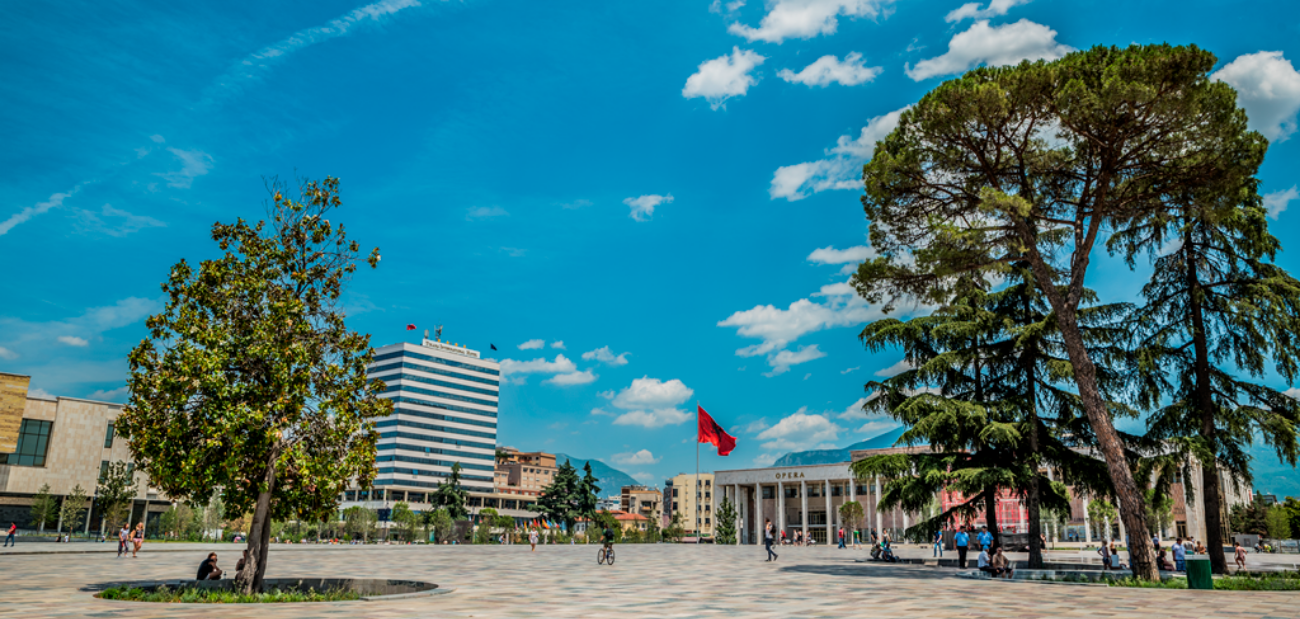
Its architecture reflects different periods of the country's history, from Ottoman landmarks and Italian-style boulevards to colourful residential buildings and modern towers. At the heart of the city lies Skanderbeg Square, surrounded by major landmarks such as the Et'hem Bey Mosque, the Clock Tower, the National Opera and Ballet Theatre, and important public institutions.
In recent years, Tirana has undergone a visible transformation, with more green spaces, improved public areas, and a growing focus on sustainability and quality of life. This makes it an easy and welcoming city to navigate, especially for first-time visitors.
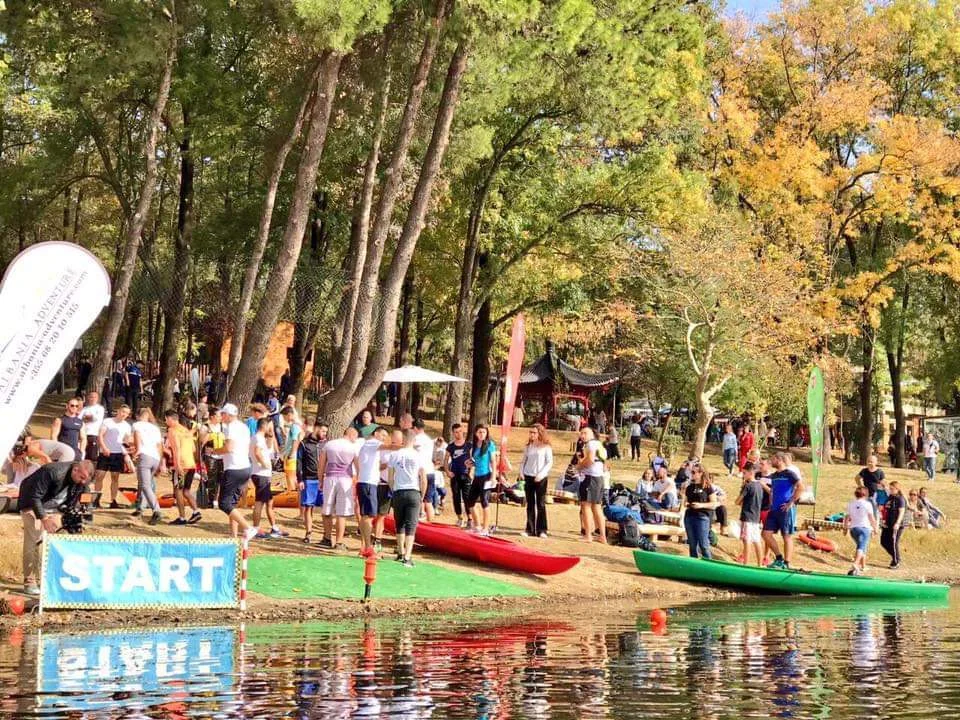
Tirana is becoming increasingly multicultural. International students, visitors, professionals, and digital workers are contributing to the city's social and cultural life. English, Italian, and other languages are commonly heard in universities, workplaces, cafés, and public spaces.
The city hosts concerts, festivals, exhibitions, sporting events, conferences, and international projects throughout the year. Its lively cafés, restaurants, parks, cultural venues, and nightlife create a welcoming atmosphere for residents and visitors. For many participants, this may be a first time in Albania — Tirana is a compact and accessible city, known for its hospitality, lively atmosphere, and a strong café culture.
We encourage you to explore Tirana beyond the competition venues.
3. Attractions to visit in Tirana
| # | Attraction | Opening hours | Suggested time | Useful information |
|---|---|---|---|---|
| 1 | Skanderbeg Square | Open 24 hours, daily | 30–60 min | Tirana's central public square and the ideal starting point for exploring the city. Surrounded by the Clock Tower, Et'hem Bey Mosque, the Palace of Culture, the Opera and Ballet Theatre, and important public buildings. |
| 2 | Clock Tower of Tirana | Usually Mon–Sat, 08:00–15:00; confirm locally | 20–30 min | Built in 1822 and standing 32.5 metres high. Visitors can climb approximately 90 spiral steps for panoramic views over Skanderbeg Square and central Tirana. |
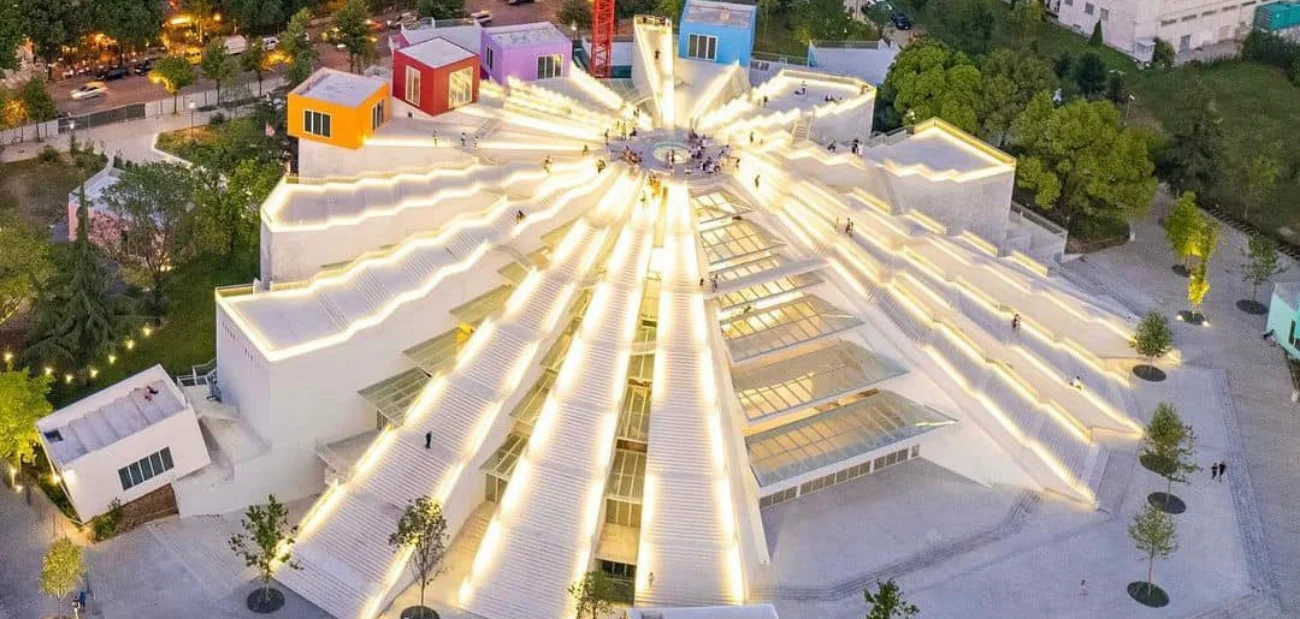
| 3 | Pyramid of Tirana | Exterior terraces & public spaces open 24h; interior activities vary | 30–60 min | A former communist-era museum transformed into a contemporary centre for technology, youth, creativity, exhibitions, and public events. The exterior terraces offer excellent city views. |
| 4 | Mother Teresa Square | Open 24 hours, daily | 20–30 min | One of Tirana's principal open squares, surrounded by important institutions, universities, museums, and cultural buildings. Frequently hosts public events and gatherings. |
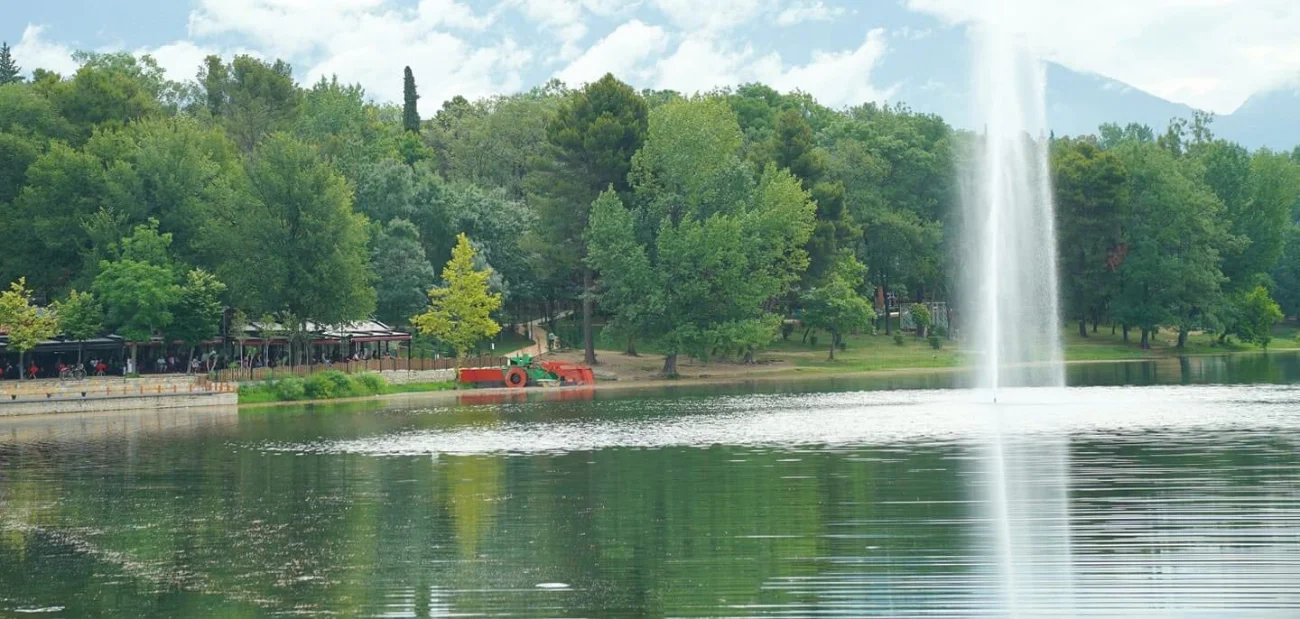
| 5 | Grand Park of Tirana | Open 24 hours, daily | 1–2 hrs | Tirana's largest green space, surrounding the Artificial Lake. Walking and cycling paths, cafés, sports areas, playgrounds, and relaxing spaces. 5 minutes from Qyteti Studenti. |
| 6 | Toptani Castle | Public area open daily; individual businesses have separate hours | 45–90 min | A historic landmark in central Tirana where surviving castle walls are combined with restaurants, cafés, souvenir shops, and cultural spaces. Particularly lively in the evening. |
| 7 | National History Museum | Temporarily closed for renovation | Exterior: 15–20 min | Albania's largest historical museum on Skanderbeg Square, recognised by its monumental mosaic façade. Undergoing major restoration; expected to remain closed until 2028. |
| 8 | BUNK'ART 2 | Daily, approx. 09:30–18:30; seasonal hours may apply | 1–1.5 hrs | A Cold War bunker transformed into a museum documenting Albania's communist dictatorship, political persecution, and the activities of the former secret police. |
| 9 | House of Leaves Museum | Daily, 09:00–19:00 | 1–1.5 hrs | A former communist surveillance centre that explains how the state monitored citizens during the dictatorship. One of Tirana's most important historical museums. |
| 10 | National Art Gallery | Check current programme and venue before visiting | 1–1.5 hrs | Dedicated to Albanian art from the Middle Ages to contemporary works. Access and exhibition locations may vary due to renovation and temporary programming. |
| 11 | National Theatre of Opera and Ballet | Open according to the performance schedule | 2–3 hrs per performance | Albania's principal institution for opera, ballet, symphonic concerts, and traditional music. Check the official programme, venue, and ticket availability in advance. |
| 12 | Et'hem Bey Mosque | Open daily outside prayer times | 20–30 min | A beautifully decorated Ottoman mosque completed in the early 19th century. Entry is generally free; visitors should dress modestly, remove shoes, and avoid prayer times. |
| 13 | Parliament of Albania | Exterior visible at all times; interior access by official arrangement | 15–20 min | Albania's highest legislative institution, situated close to the Pyramid and Tirana Castle. The building can normally be viewed from the exterior unless an official visit has been arranged. |
| 14 | Blloku District | Public streets open 24h; cafés & restaurants have individual schedules | 2–4 hrs | A fashionable neighbourhood filled with cafés, restaurants, boutiques, bars, and brunch venues. Popular for international cuisine, people-watching, and Tirana's evening social life. |
| 15 | Pazari i Ri — New Bazaar | Public square 24h; market activity mainly during the day | 1–2 hrs | A restored market district known for fresh produce, traditional Albanian food, restaurants, colourful architecture, and an active atmosphere both day and evening. |
| 16 | Arena Area — Air Albania Stadium | Public area open daily; business and event hours vary | 1–3 hrs | A modern entertainment district surrounding the national stadium, with restaurants, cafés, shops, bars, and sporting events. A lively atmosphere popular with young people. |
| 17 | Resurrection of Christ Orthodox Cathedral | Generally daily, approx. 10:00–21:30; services may affect access | 30–45 min | One of the largest Orthodox cathedral complexes in the Balkans, recognised for its impressive dome, bell tower, Byzantine-inspired interior, and peaceful atmosphere. |
| 18 | Great Mosque of Tirana — Namazgah Mosque | Open daily; tourist visits recommended outside prayer times | 30–45 min | A major contemporary religious and architectural landmark on Bulevardi Zhan D'Ark. Dress modestly, remove shoes, remain quiet, and avoid prayer periods. |
4. Places to eat, drink & enjoy Tirana
A curated selection of restaurants, bars and nightlife venues covering local Albanian cuisine, contemporary bars, panoramic dining, and Tirana's late-night scene.
| # | Place | Opening hours | Suggested time | Useful information |
|---|---|---|---|---|
| 1 | Ceren Ismet Shehu | Daily hours vary; reservation recommended | 1.5–2 hrs | A popular restaurant offering a contemporary interpretation of traditional Albanian cuisine in a welcoming setting. |
| 2 | Oda's Garden | Usually open for lunch and dinner; confirm current schedule | 1.5–2 hrs | A relaxed open-air venue surrounded by greenery, offering Albanian food, music, and a pleasant atmosphere for warm summer evenings. |
| 3 | Radio Bar | Usually open from late afternoon until night | 1–3 hrs | A well-known bar with retro décor, cocktails, live music, and an alternative artistic crowd. |
| 4 | Mugo | Generally open during evening and late-night hours | 1–3 hrs | A lively venue known for contemporary music, a young crowd, drinks, and an energetic social atmosphere. |
| 5 | Colonial | Generally open from late afternoon until late evening | 1–3 hrs | A stylish combination of bar, restaurant, and nightlife venue, known for its elegant setting, cocktails, dining, and varied music programme. |
| 6 | Sky Tower | Daily; restaurant and lounge hours vary | 1–2 hrs | One of Tirana's best-known panoramic locations, offering elevated city views, food, drinks, and a sophisticated evening atmosphere. |
| 7 | Cinco Cavalli | Open on selected evenings and event nights | 2–4 hrs | A popular nightlife venue known for parties, commercial music, performances, and a lively late-night atmosphere. Check the event programme before visiting. |
| 8 | Puls Nightclub | Open on selected club nights; usually late evening until early morning | 2–4 hrs | A nightlife venue aimed at electronic-music audiences, with a strong sound system and a dedicated dancing crowd. Check the programme and entry conditions in advance. |
5. What to expect during the Championships
Tirana is an easy-to-navigate city, and during the Championships most activities will take place within the inner circle of the city.
6. Practical information
7. General atmosphere
Participants will stay in one of the liveliest parts of the city, visited by locals, students, and tourists.
8. University sport in the host country
University sport in Albania has a long and meaningful tradition. The country's first recorded participation in international university competitions dates back to 1939, when students from the Liceum of Korça represented Albania at the International University Games organised by the International Confederation of Students — placing Albanian students within the emerging international university sports movement.
During the following decades, sport remained an important part of student life in Albania. Physical education programmes, university teams, inter-faculty competitions and national student tournaments provided opportunities for young people to participate in both competitive and recreational activities. Tirana, as the country's main academic centre, became the principal hub of university sport, while universities in other cities gradually developed their own teams and sporting programmes.
A new and more structured chapter began with the formal establishment of the Albanian University Sports Federation (FSHSU) on 21 December 2017. Its creation marked the transition from activities organised largely through individual universities and informal networks to a coordinated national university sports system.
FSHSU today — by the numbers
FSHSU's national calendar includes competitions in sports such as football, futsal, volleyball, basketball, handball, tennis, table tennis, swimming and combat sports.
International Day of University Sport (IDUS)
Celebrated annually on 20 September, IDUS was established by UNESCO and FISU. FSHSU marks IDUS through a programme of competitive, recreational, educational and outdoor activities organised in cooperation with universities and student sports associations — hiking, beach and outdoor sports, multi-sport gatherings and university festivals in different cities across Albania.
Cooperation with Kosovo
Education, volunteering and student development
FSHSU's mission extends beyond the organisation of championships. Through its volunteer programmes and Volunteer Academy, FSHSU involves students in the preparation and delivery of national and international events. Volunteers gain practical experience in areas such as accreditation, competition operations, media, protocol, transport, hospitality, team services and event administration.